



Article: Adding Lab-Grown Diamonds to a Natural Diamond Offer: Retailer Checklist
Adding Lab-Grown Diamonds to a Natural Diamond Offer: Retailer Checklist
A retailer adding lab-grown diamonds alongside a natural-diamond offer needs a documented sourcing and disclosure process before choosing stones or presenting the new category to customers. The first step is not a price comparison. It is defining which jewellery styles, diamond specifications, reports, product descriptions and sales-team explanations will apply to each origin.
For an independent bridal jeweller or custom studio, a controlled launch helps avoid unclear product pages, mismatched stone information and quotes that cannot be compared on the same basis.
Decide where lab-grown diamonds fit in the range
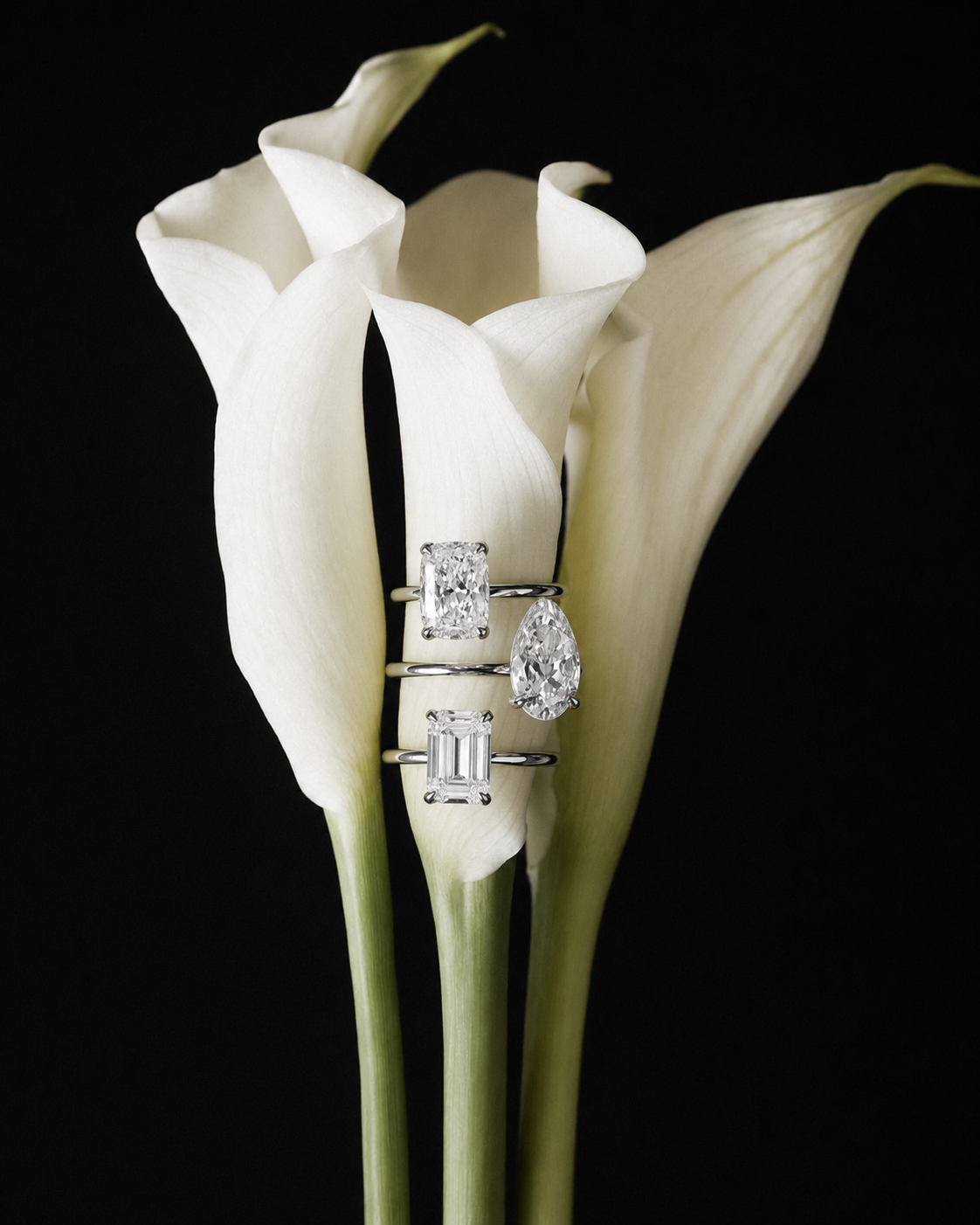
Start with a specific customer need. Some retailers introduce lab-grown diamonds as an additional centre-stone option for engagement rings. Others use them in selected bespoke commissions or in new styles designed around particular stone shapes and sizes. Avoid treating the category as a vague substitute for every natural diamond in the range.
Write down the intended scope: which styles qualify, which stone types are in scope, whether buyer-supplied stones are accepted, and how the option will be described to clients. The objective is clear choice, not a scripted recommendation.
Use one specification sheet for each request
Every stone request should record enough information for a supplier or production partner to respond consistently. The 4Cs remain a useful framework, but a trade request also needs dimensions, shape, matching requirements and documentation preferences.
- Diamond origin: laboratory-grown or natural.
- Shape and target measurements, not only carat weight.
- Carat range, colour and clarity range.
- Cut or make requirements where applicable.
- Report or inscription requirements.
- Whether the stone is a centre stone, matching pair or melee.
- Setting design, metal and ring size where the stone is part of a custom piece.
- Any deadline that affects the buyer’s decision, stated as a requirement rather than a promise.
Do not assume that stones described with the same headline grade will look identical. If matching, spread, proportions, fluorescence, treatment disclosure or report format matters, include it in the brief. For a broader technical brief, use the jewellery manufacturing RFQ checklist.
Separate stone choice from jewellery approval
When a retailer offers a bespoke ring, two approvals may be needed: approval of the stone information and approval of the finished jewellery design. Keep them distinct. A customer can approve a diamond’s stated characteristics without approving the finished setting; equally, a CAD may show a placeholder stone before the final stone has been confirmed.
Use a versioned record that shows which stone details, dimensions and report information were used in the approved design. The CAD-to-finished jewellery buyer workflow explains how to keep approvals from becoming mixed across drawings, samples and emails.
Build transparent product and sales language
Customers should be able to understand origin without needing to infer it from price or product imagery. Use precise language such as “laboratory-grown diamond” or “natural diamond” consistently in product descriptions, quotations and customer communications. Do not make environmental, ethical, price, resale or availability claims unless the retailer can substantiate them for the exact offer.
For staff, prepare a short factual comparison guide. It should cover what is confirmed by the report, what is a choice of origin, what varies from stone to stone, and when a customer’s preferences should be escalated for a tailored recommendation. It should not pressure customers toward either origin.
Compare supplier quotes on the same basis
| Comparison point | What to make explicit |
|---|---|
| Stone scope | Shape, dimensions, carat range, grade range and matching requirements |
| Documentation | Report, inscription and disclosure requirements |
| Jewellery scope | Metal, setting, design version, sample and finish assumptions |
| Exclusions | Items not included in the request or quote |
| Approval gates | What needs written sign-off before each subsequent stage |
| Changes | How stone or design changes will be re-quoted or reapproved |
A lower figure may simply omit a report, setting service, revision, sample or a defined quality requirement. A clear scope is more useful than an apparently complete price with silent assumptions. For a supplier-evaluation framework, see how buyers compare private-label fine jewellery production partners.
Plan a low-risk first rollout
A small, controlled launch is often easier to learn from than updating every product at once. Choose a limited set of styles, document each request and note the questions customers ask. Review whether product labels, quotation templates, sales explanations and design approvals stayed clear.
Keep separate records for a stone selected by a client, a display sample and a stock item. A repeatable operating record makes later variants easier to quote and reduces the likelihood that old information is copied to a new project. This approach aligns with the same controlled first-run principles in our small-batch jewellery manufacturing guide.
Retailer checklist before adding lab-grown diamonds
- We have defined which products and customer situations the option covers.
- Our stone request captures origin, measurements, grading range and documentation.
- Our quotations distinguish the stone from the jewellery design and setting scope.
- Product pages and sales materials use clear origin language.
- We have not made claims that we cannot support for the specific stone or offer.
- We record the approved stone information alongside the design version.
- Our staff know when to give factual information and when to ask for clarification.
- We review outcomes from the first rollout before expanding the range.
Frequently asked questions
Can a retailer offer lab-grown and natural diamonds in the same engagement-ring design?
Yes, provided the choices are described clearly and the stone information, quote and final product record identify the selected origin. Each request should still be specified separately.
What should be included in a lab-grown diamond sourcing request?
At minimum include origin, shape, target measurements, carat and quality range, report requirements, intended setting and any matching or disclosure requirements. Add only criteria that the buyer genuinely needs.
Should a CAD be approved before a centre stone is finalised?
A preliminary CAD can be reviewed with a stated placeholder, but the final design approval should identify the stone dimensions and details that affect the setting. Record any later change as a revision.
How should a retailer describe laboratory-grown diamonds?
Use clear, consistent origin language in product pages, quotations and customer conversations. Keep factual statements tied to the documentation and the specific product; avoid unsupported general claims.
How can a custom jeweller compare two sourcing options fairly?
Give each potential partner the same written specification and compare inclusions, exclusions, documentation, approvals and the responsibilities behind the quoted figure—not only price.
Prepare an LGD-supported custom jewellery enquiry
Efi & Co is a Hong Kong team working with production partners on custom jewellery enquiries. If you are preparing a project involving laboratory-grown diamonds, send the design brief, stone requirements and open questions through our contact page or email info@efidiamond.com. We will review the information provided and identify what needs clarification before any project-specific statement is made.


